Flower Bouquet Embroidery Review
When I first opened the download folder for Flower Bouquet, my immediate thought wasn't about the file formats included, but rather how this design would translate from a digital vector into a tactile, stitched reality. As someone who has spent years evaluating embroidery files for both personal crafting and commercial client work, I know that a pretty image on a screen doesn't always guarantee a beautiful finished product on fabric. This graphic is marketed as a versatile asset for cutting machines, printing, and other software, but its potential in the realm of machine embroidery is what truly matters to the craft business owner or the dedicated hobbyist.
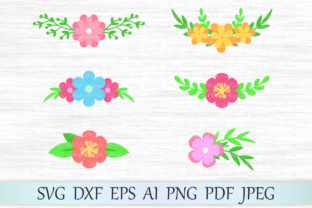
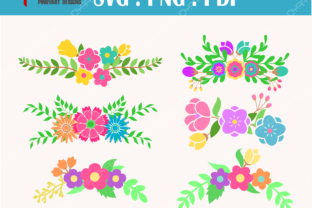
The mood created by Flower Bouquet is undeniably soft and welcoming. It feels like a design born for spring, bridal showers, or perhaps a cozy nursery project. The layout suggests a clustered arrangement of blooms, which naturally lends itself to creating a focal point without overwhelming the garment or accessory it adorns. Before committing to a production run, I had to ask myself: does this design hold up under the scrutiny of real-world stitching? Can it survive the tension of a hoop and the friction of high-speed needles?
From Digital File to Finished Product
In my experience working with various embroidery designs, the transition from SVG or DXF to a stitched piece is where many projects succeed or fail. While the product description highlights that this is a graphic for cutting machines and printing, the inclusion of these vector files means they are highly adaptable for digitizing or direct conversion depending on your workflow. If you are an Etsy seller looking to expand your catalog, Flower Bouquet offers a fresh aesthetic that fits perfectly into the current trend of botanical home decor and personalized gifts.
I envision this design being used on a variety of items. Imagine a custom embroidered tote bag featuring this bouquet in the center. The curves of the flowers would soften the utilitarian look of canvas, making it a perfect boutique item. Similarly, placing it on a sweatshirt could elevate a basic piece of apparel into something unique. However, the success of such a project relies heavily on how well the design handles different fabric textures. On a smooth cotton tee, the lines might appear crisp, but on a textured fleece or a slubby linen apron, the details could get lost if the stitch density isn't adjusted correctly.
Real-World Application Scenarios
Let's consider a specific scenario: preparing a batch of baby onesies for a local boutique. The demand for soft, floral themes is evergreen. Using Flower Bouquet here requires careful consideration of the hoop size and the fabric stretchiness. Baby clothes often use knits that require a stabilizer capable of holding the shape without puckering. If the design is too dense, it could make the fabric stiff around the neck or shoulders, which is a comfort issue for infants. But if executed with the right stabilizer and thread colors, it becomes a cherished personalized gift.
Another strong use case is holiday embroidery. Think of Christmas stockings or Thanksgiving table runners. The bouquet theme fits the seasonal shift towards natural elements. For a small shop owner, this design could be a staple for creating matching sets—perhaps a pillow cover paired with a kitchen towel. The versatility of the file allows you to create mockups quickly, helping you visualize how the finished product will look before you even cut the fabric. This is crucial for maintaining brand consistency across your listings.
However, not every surface is suitable. Curved surfaces like caps present a significant challenge. While Flower Bouquet might look great flat, the curvature of a hat can distort the proportions of the flowers unless the design is specifically digitized for 3D curvature. Furthermore, dark fabrics require a different approach than light ones. You must ensure there is enough contrast between the thread colors and the background material. A subtle flower outline might disappear entirely on a navy blue hoodie unless you use a contrasting fill stitch or add a satin border.
Technical Considerations for Designers
Before diving into production, there are practical steps every designer should take. First, test the design on scrap fabric. This is non-negotiable. You need to see how the stitch density behaves on the specific material you intend to use. Does the fabric pucker? Do the corners of the petals become rounded or sharp? Checking small details is vital because what looks clear in a PDF preview might break down when rendered in actual stitches.
Reviewing the file structure provided in the zip download is also important. The package includes SVG, DXF, PNG, and PDF files. While these are excellent for cutting and printing, if you plan to use them for embroidery, you may need to convert them or ensure they are compatible with your digitizing software. Always confirm whether the design is intended as a direct embroidery file or if it serves as a template for your own digitization process. If you are selling finished items, double-check the licensing terms to ensure you have the right to use this digital embroidery file for commercial purposes.
For those using satin stitch for outlines or fill stitch for the petals, pay attention to the direction of the stitches. In a bouquet design, varying the angle of the fill can add depth and realism, mimicking the way light hits different petals. Running stitch might be used for stems or delicate leaves, but ensure the spacing is tight enough to prevent gaps on thinner fabrics.
Making the Right Choice for Your Business
The value of a design like Flower Bouquet lies in its ability to enhance the perceived quality of your handmade products. Customers associate clean, well-executed embroidery with professionalism and care. A poorly stitched logo or design can undermine trust, while a beautifully rendered bouquet signals attention to detail. When you present a custom apparel item or a handmade product with this design, the visual appeal directly impacts buyer engagement.
It is also worth noting where caution is needed. Small hoop sizes can limit the complexity of the design. If the bouquet is intricate, shrinking it down for a small patch or a tiny hat might result in muddy stitching where the threads overlap too much. Additionally, products that need frequent washing, like everyday aprons or children's clothing, require durable stitching. Ensure the design is anchored well so it doesn't unravel after a few cycles.
Ultimately, Flower Bouquet is more than just a graphic; it is a tool for creative expression and business growth. Whether you are a craft business owner looking to add new inventory or a maker wanting to create a special gift, understanding the nuances of how this design interacts with fabric and thread is key. By testing thoroughly, respecting the limitations of the medium, and choosing the right materials, you can transform this digital asset into a stunning physical object that customers will love.
Remember to inspect your work in black and white mockups to check the contrast and composition before finalizing your production. This simple step can save hours of rework. With the right preparation, Flower Bouquet can become a standout element in your portfolio of design assets, proving that even a simple floral motif can carry significant weight in the world of embroidery.