Flower Graphics: A Designer's Review for Crafts and Branding
I recently received a request from a client launching a boutique skincare line focused on natural ingredients. They needed a visual identity that felt organic, approachable, and distinctly handmade. The brief was specific: they wanted to avoid corporate sterility but maintain a level of polish that would build trust with their audience. While browsing through various design assets, I encountered a collection labeled as Flower Graphics. As a professional designer who frequently works with branding, packaging, and marketing visuals, I decided to put this asset through its paces before recommending it for the project.
The First Impression and Visual Mood
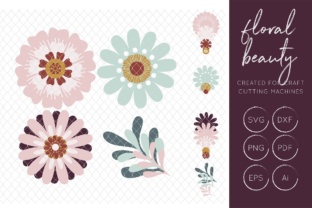
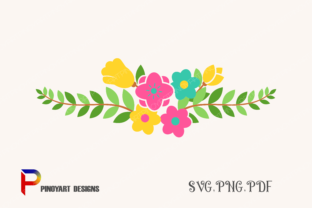
When you first open the files, the immediate takeaway is the botanical elegance of the illustrations. These are not generic clipart; they possess a delicate line work that suggests hand-drawn origins while maintaining the precision required for modern digital production. The mood created by these graphics is undeniably soft, inviting, and feminine without being overly cutesy. For a brand like my client's, which relies on emotional connection and a sense of wellness, the aesthetic alignment is strong.
In the context of crafts and commercial design, finding an illustration that balances artistic flair with technical utility is rare. This set feels like a bridge between traditional botanical art and contemporary vector design. It naturally fits projects that require a touch of nature, whether it is for seasonal campaigns, product labels, or social media content. The style leans towards modern design with a nod to vintage botanical prints, making it versatile enough for both handmade business branding and more structured editorial layouts.
Real-World Application in Client Projects
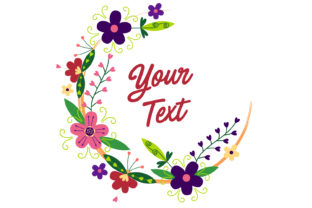
The true test of any graphic design asset lies in its performance within a real layout. I immediately tested these graphics in several scenarios relevant to the client's needs. In terms of logo design and brand identity, the flowers serve as excellent focal points. They can be isolated to create a standalone icon or expanded to frame text elements in a logo mark.
I also explored their potential in packaging design. When placed on a mockup of a soap box or a lotion bottle, the graphics added a layer of sophistication that plain typography alone could not achieve. They function beautifully as decorative accents on the corners of flyers, invitations, and posters. For a small business owner looking to launch an Etsy product line, these images could easily transform into sticker design files or t-shirt design elements. The versatility extends to print-on-demand sellers who need high-quality visuals for mugs, tote bags, and wall art.
In the realm of digital marketing, these graphics are invaluable. I used them to enhance social media graphics for Instagram posts and Pinterest pins, where visual hierarchy is critical. The floral elements break up text blocks effectively, drawing the eye to key messages in marketing visuals or blog headers. They also integrate seamlessly into Canva templates, allowing non-designers to maintain a consistent brand look across their platforms.
Where the Design Asset Shines
This collection excels when given breathing room. Large layout areas and hero graphics allow the intricate details of the petals and stems to be appreciated. I found that using these as background textures behind semi-transparent white boxes created a stunning effect for website headers. They are particularly effective in themed collections, such as a spring product launch or a Valentine's Day campaign, where the imagery supports the narrative without overpowering it.
For sublimation design, the clarity of the lines ensures that the transfer onto fabric or hard substrates remains crisp. Whether creating a product mockup for a portfolio or designing a custom label for a local event, the Flower Graphics add a professional finish that elevates the perceived value of the final product.
Areas Requiring Careful Consideration
However, no asset is universally perfect. There are scenarios where these graphics must be used with caution. If the project requires a very clean, minimalist aesthetic, such as a corporate tech startup or a law firm, these floral elements might feel too decorative and distract from the core message. In such cases, the visual hierarchy could become cluttered if the flowers compete with essential information.
At very small sizes, the fine details of the illustrations may disappear or appear muddy, especially when printed on small items like business cards or tiny stickers. Similarly, placing these graphics on complex backgrounds or low-contrast designs can cause them to get lost. For projects demanding strict visual hierarchy where text must be the undisputed star, these elements should be used sparingly as subtle borders rather than central figures.
Practical Designer Notes for Commercial Use
Before integrating any digital product into a client project, a rigorous check is necessary. I always recommend testing the asset in black and white first to ensure the shapes hold up without color. Checking contrast on both light and dark backgrounds is crucial for accessibility and readability.
File format analysis is another vital step. The download includes a zip file containing folders with SVG, PDF, and PNG formats. The SVG file is particularly important for Cricut projects and vector-based editing, allowing you to scale the image infinitely without loss of quality. I inspected the SVG code to ensure paths were clean and editable. The PNG file offers transparency, which is essential for overlaying the graphics on existing photos or colored backgrounds for web design or editorial design.
Typography pairing is also key. I tested these graphics against serif fonts, sans-serif fonts, script fonts, handwritten fonts, and display font styles. The floral illustrations paired best with elegant serifs for a classic look or clean sans-serifs for a modern vibe. Script fonts worked well for the "handmade" feel but required careful spacing to avoid visual noise.
Finally, confirming the commercial license is non-negotiable. Before using these design assets for a paying client, verify that the license allows for end-product resale. Many marketplaces offer different tiers of usage rights, and understanding these boundaries protects both the designer and the client.
Final Verdict
After extensive testing, I can confidently say that Flower Graphics is a valuable addition to any designer's toolkit. It strikes a balance between artistic expression and functional utility, making it suitable for a wide range of applications from brand identity to creative marketplace listings. For designers working with small business branding or those looking to enhance their printable design offerings, this asset provides the polish needed to deliver professional results. It transforms simple layouts into cohesive, emotionally resonant pieces of work.